

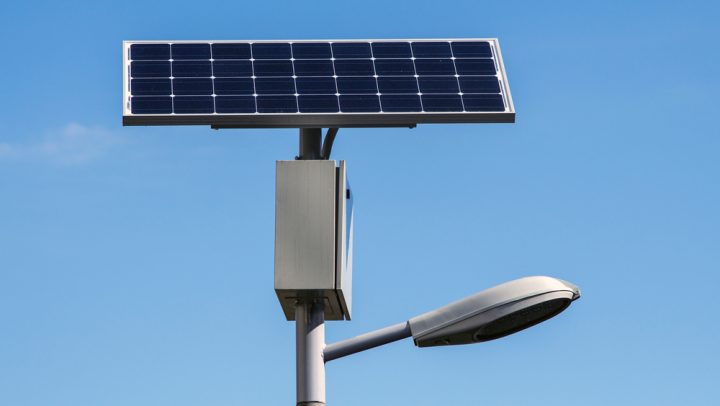
Ever walked a trail right as the sun dropped and felt that knot in your stomach, the one that says maybe I should’ve left twenty minutes ago? Parents get it, watching kids near the swings at dusk. Runners get it on the last loop before the light goes. Solar Park Lighting exists because that feeling shouldn’t be part of visiting a public park, full stop.
We’ve sat across the table from more than one parks director who loves their green space but winces at the electrical quote for extending power to a new trail. There’s a better way to light a park than tearing it up first, and it starts with rethinking what a pole even needs to run on.
How Can Solar Park Lighting Improve Safety Without Higher Costs?
A dark stretch of trail isn’t just annoying; it’s where trust in a park quietly falls apart. Once a section stops feeling safe after 7 PM, people stop using it, and no parks department wants that written into next year’s usage numbers.
Our fixtures run entirely on solar energy we collect during the day and store for the night. At ClearWorld, that means a department can light a full mile of trail without a utility bill showing up, and without sitting on a waitlist for a grid hookup that might take a year to clear. We’ve seen projects get greenlit in weeks once that math finally clicked.
Why Choose Solar Park Lighting for Low-Maintenance Public Parks?
Traditional park lighting hides a tax nobody budgets for properly: the crew that has to drive out, the bulbs that keep dying, the wiring that picks the worst possible storm to fail. Solar park lighting flips that whole equation around, and here’s what that looks like once it’s actually installed.
The Electric Bill Just Stops Coming
Once a fixture is in the ground, it draws nothing from the grid, ever. That monthly lighting charge on the park’s budget disappears, and suddenly there’s room for the things people actually notice: new benches, better trail surfacing, whatever’s been sitting on the wish list.
It Works With the Poles You Already Have
At ClearWorld, we build our systems to mount on poles that are already standing, so a park doesn’t need to tear out infrastructure just to go solar. That keeps both cost and mess to a minimum, and the grass stays where it belongs.
The Batteries Hold Up on Bad Weather Days
Cloudy stretches and short winter afternoons used to be the go-to argument against solar. Our battery storage carries enough charge to keep lights running reliably through several overcast days back to back, no flickering, no gaps.
Built to Survive the Storm, Not Just the Sunny Days
Every pole we engineer is rated for high wind and heavy rain, because lighting that quits during the one week it matters most isn’t lighting anyone can rely on. Coastal parks and inland ones get the same tough build.
Ready for Whatever Gets Added Next
Our fixtures support IoT and smart city add-ons, so a park that goes solar today isn’t stuck outside the loop when connected infrastructure becomes the standard everywhere else.
Put it together, and you get lighting that costs less to run, less to maintain, and doesn’t buckle when the weather turns. That’s the kind of upgrade that quietly pays for itself while nobody’s even watching the line item.
Can Solar Park Lighting Modernize Parks Without Trenching?
Trenching is usually where lighting projects grind to a halt: permits, torn-up grass, a price tag for underground wiring that makes finance directors wince. We skip all of that by mounting solar systems directly on existing or new poles, no trenching required, so trails and lots that have sat dark for years can finally get lit without a single shovel going into the ground.
Conclusion
Solar Park Lighting isn’t some passing trend; it’s a real answer to tight budgets and unsafe trails at the same time. At ClearWorld, we help parks departments light more ground for less money, and not one trench gets dug to make it happen.